08.01.2018
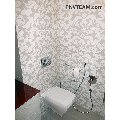
Access Panels in Renovation is best assessed as part of interior renovation and fit-out, not as an isolated purchase or finishing choice. Most expensive defects do not begin in the visible finish. They start in the concealed layers, missing information or interfaces that were left for different trades to resolve on site.
The focus is a small detail that protects maintainability. The whole arrangement must be checked rather than assuming that one material or experienced installer will compensate for unresolved interfaces. An access panel is useful only when it is large enough and correctly aligned for the actual valve, meter, trap or filter to be removed and serviced.
How the system should work in practice
Interior quality depends on more than visible finishes. Room proportions, substrate condition, concealed services, moisture, lighting, furniture and maintenance access must be settled before the final materials are installed. In construction practice, the important question is how the chosen solution behaves after the first season, after finishes are closed and during routine service.
Questions to resolve before procurement
- Resolve waterproofing and drainage in wet areas.
- Plan door swings, clear circulation and storage.
- Select finishes for wear, cleaning and indoor conditions.
- Provide access to valves, traps, filters and controls.
- Approve samples and batch variations before full installation.
Each check should be supported by drawings, photographs, product data or measurable tolerances before the work is concealed.
Mistakes that lead to rework
Typical problems include wet substrates covered too early; access panels too small for real maintenance; and doors, furniture and switches conflicting. Intermediate inspection is therefore more valuable than relying on a purely visual final check.
Final checks and future maintenance
Handover should cover alignment, joints, doors, lighting, controls, waterproofed areas, service access and a written snagging list. The aim is not complexity, but clear responsibility for details that determine safety and service life.
Related information is available under renovation services and PNV portfolio; the contact page provides the next practical reference.