08.07.2019
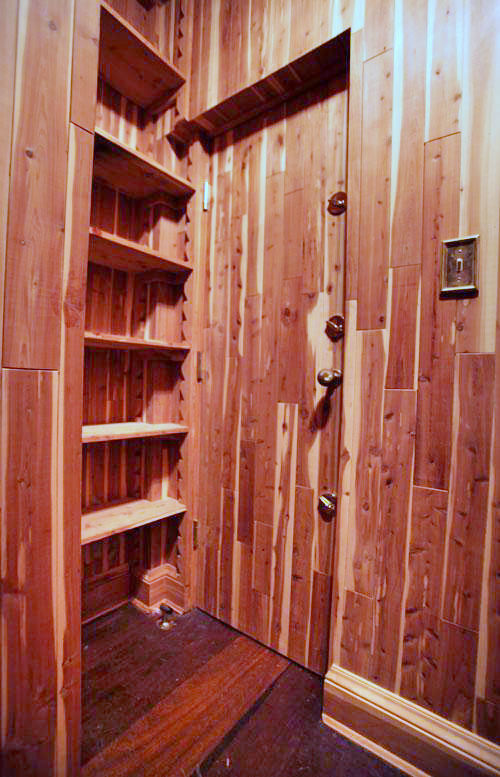
Hidden Rooms is best assessed as part of construction materials and workmanship, not as an isolated purchase or finishing choice. A solution may look straightforward in a catalogue or visualisation, yet site conditions usually make it more complex. Loads, moisture, geometry, access and sequence all affect performance.
The focus is making a concealed space safe and useful. The whole arrangement must be checked rather than assuming that one material or experienced installer will compensate for unresolved interfaces.
The technical logic behind the decision
Material selection should be based on function, exposure, compatibility and workmanship rather than a single advertised property. Storage, batch consistency and installation conditions can be as important as laboratory performance. In construction practice, the important question is how the chosen solution behaves after the first season, after finishes are closed and during routine service.
Key checks for design and installation
- Follow temperature and curing requirements.
- Prepare representative samples or trial areas.
- Retain product data and delivery records.
- Confirm the product is intended for the proposed location.
- Review strength, moisture, temperature and durability requirements.
Each check should be supported by drawings, photographs, product data or measurable tolerances before the work is concealed.
Where projects usually go wrong
Typical problems include products chosen for appearance but used outside their exposure class; mixed batches creating visible or dimensional variation; and materials installed on wet or weak substrates. Once concealed, these defects usually require removal of adjacent finishes before the real cause can be reached.
What a complete handover should include
Acceptance should combine documentary checks with actual inspection of the delivered material, substrate and completed trial area. Workmanship is most dependable when the design and acceptance criteria are already clear.
A delivery sample should be compared with the approved sample before the material is distributed around the site. Differences are easier to resolve while the batch is still identifiable and unused.
For a broader project context, review construction and renovation services, then compare relevant examples or services through PNV portfolio and contact page.