23.11.2020
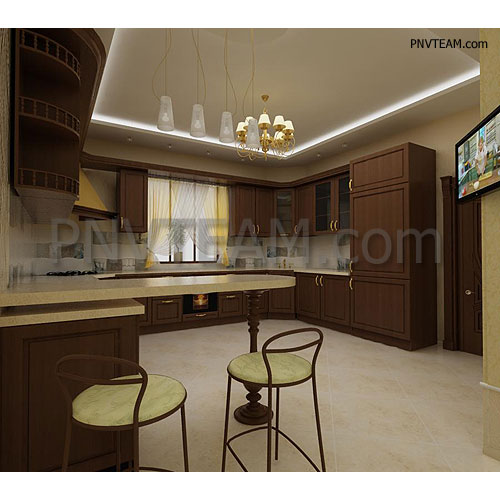
Project Visualisation is best assessed as part of design and project documentation, not as an isolated purchase or finishing choice. Most expensive defects do not begin in the visible finish. They start in the concealed layers, missing information or interfaces that were left for different trades to resolve on site.
The focus is using images without misleading yourself. The whole arrangement must be checked rather than assuming that one material or experienced installer will compensate for unresolved interfaces. A visualisation communicates intent, but every visible feature still needs dimensions, materials, structural support and a buildable junction in the working drawings.
How the system should work in practice
Good design converts requirements into dimensions, levels, materials, interfaces and a buildable sequence. Attractive images are useful, but they do not replace surveys, coordinated drawings, specifications and responsibility for decisions. In construction practice, the important question is how the chosen solution behaves after the first season, after finishes are closed and during routine service.
Questions to resolve before procurement
- Specify materials by performance and location.
- Identify details that require calculation or manufacturer input.
- Align the design with budget and procurement lead times.
- Define inspection points for hidden work.
- Issue revisions clearly so superseded information is not used.
Each check should be supported by drawings, photographs, product data or measurable tolerances before the work is concealed.
Mistakes that lead to rework
Typical problems include dimensions copied from assumptions rather than surveys; services routed through structural elements; and materials specified without buildable junctions. They often appear only after seasonal movement, moisture or routine use, when correction is significantly more disruptive.
Final checks and future maintenance
Before construction, the team should be able to explain the design, sequence, interfaces and acceptance criteria without relying on verbal improvisation. A reliable result is one that can be inspected and maintained without guesswork.
Related information is available under design and project documentation and PNV portfolio; the contact page provides the next practical reference.