17.08.2021
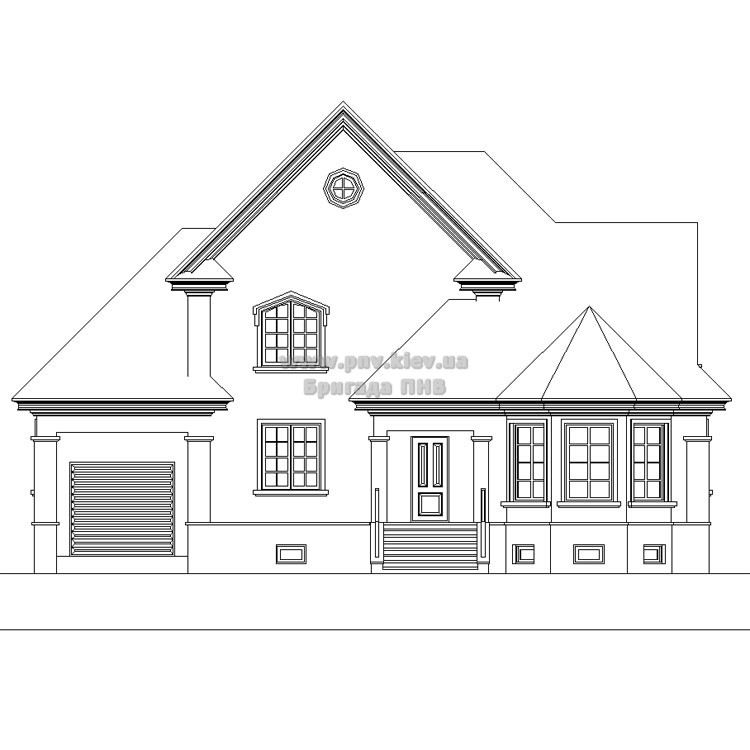
House Facades is best assessed as part of house construction, not as an isolated purchase or finishing choice. Visible quality is only the final layer of this topic. The lasting result depends on how the underlying design, materials, workmanship and future maintenance are coordinated.
The focus is materials matter only when the details work. The whole arrangement must be checked rather than assuming that one material or experienced installer will compensate for unresolved interfaces.
Within PNV Construction Group, the relevant crews, private contractors and specialist companies work to shared drawings and acceptance criteria.
Why the detail must be considered as a system
A house is a coordinated structure, envelope and set of building services. The choice of wall material or architectural style matters, but foundations, moisture control, interfaces, sequencing and future operation determine the real result. In construction practice, the important question is how the chosen solution behaves after the first season, after finishes are closed and during routine service.
What to check before work begins
- Integrate heating, ventilation, water and electrical routes.
- Compare technologies as completed systems, not unit prices.
- Define quality checks for each concealed stage.
- Allow safe access for future maintenance.
- Relate the design to the plot, ground and access.
Each check should be supported by drawings, photographs, product data or measurable tolerances before the work is concealed.
Common failure patterns
Typical problems include engineering routes added after structural work; water management postponed until landscaping; and critical details improvised by separate trades. Intermediate inspection is therefore more valuable than relying on a purely visual final check.
Inspection, handover and maintenance
Progress should be accepted stage by stage: groundworks, structure, enclosure, first-fix services, insulation, finishes and commissioning. The aim is not complexity, but clear responsibility for details that determine safety and service life.
The programme should allow the structure and wet trades to dry before sensitive finishes are installed. Compressing this period can transfer moisture into insulation, joinery and coatings, creating defects after occupation.
PNV connects this subject with house construction services. Further project information is available through design and project documentation and PNV portfolio.