28.09.2021
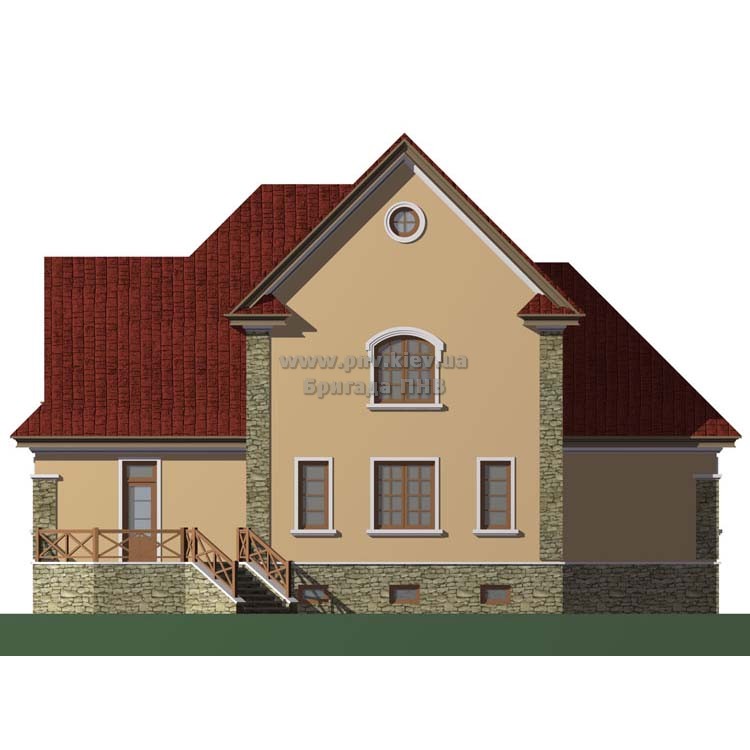
Facade Visualisation is best assessed as part of design and project documentation, not as an isolated purchase or finishing choice. A solution may look straightforward in a catalogue or visualisation, yet site conditions usually make it more complex. Loads, moisture, geometry, access and sequence all affect performance.
The focus is do not confuse a beautiful image with a buildable solution. The whole arrangement must be checked rather than assuming that one material or experienced installer will compensate for unresolved interfaces. A visualisation communicates intent, but every visible feature still needs dimensions, materials, structural support and a buildable junction in the working drawings.
The technical logic behind the decision
Good design converts requirements into dimensions, levels, materials, interfaces and a buildable sequence. Attractive images are useful, but they do not replace surveys, coordinated drawings, specifications and responsibility for decisions. In construction practice, the important question is how the chosen solution behaves after the first season, after finishes are closed and during routine service.
Key checks for design and installation
- Align the design with budget and procurement lead times.
- Define inspection points for hidden work.
- Issue revisions clearly so superseded information is not used.
- Verify measured surveys, site levels and existing conditions.
- Coordinate architectural, structural and engineering drawings.
Each check should be supported by drawings, photographs, product data or measurable tolerances before the work is concealed.
Where projects usually go wrong
Typical problems include services routed through structural elements; materials specified without buildable junctions; and changes made on site without updating drawings. Intermediate inspection is therefore more valuable than relying on a purely visual final check.
What a complete handover should include
Before construction, the team should be able to explain the design, sequence, interfaces and acceptance criteria without relying on verbal improvisation. The aim is not complexity, but clear responsibility for details that determine safety and service life.
Related information is available under design and project documentation and PNV portfolio; the contact page provides the next practical reference.