23.05.2023
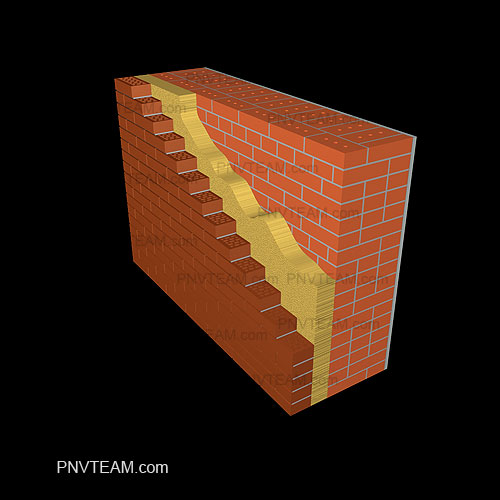
Common Brick and Mineral Wool is best assessed as part of structural resilience and hazard planning, not as an isolated purchase or finishing choice. Most expensive defects do not begin in the visible finish. They start in the concealed layers, missing information or interfaces that were left for different trades to resolve on site.
The focus is details where cost-cutting is risky. The whole arrangement must be checked rather than assuming that one material or experienced installer will compensate for unresolved interfaces. The brick must match its location: units suitable for protected internal masonry may have inadequate frost resistance for plinths, steps, chimneys or exposed boundary walls.
How the system should work in practice
Weather, seismic and other hazard topics become useful only when they are translated into site investigation, load paths, connections, drainage, maintenance and clear operating procedures. The safest approach is to establish measurable checks before procurement, then inspect the work before the critical layers are concealed.
Questions to resolve before procurement
- Document critical hidden work before it is covered.
- Understand the ground, groundwater and site levels.
- Verify how loads pass from roof and floors to walls and foundations.
- Check structural ties, reinforcement and movement details.
- Coordinate roof and facade fixings for wind exposure.
Each check should be supported by drawings, photographs, product data or measurable tolerances before the work is concealed.
Mistakes that lead to rework
Typical problems include heavy roofs or facades added without calculation; cracks hidden by finishes before their cause is understood; and water weakening foundations or retaining structures. They often appear only after seasonal movement, moisture or routine use, when correction is significantly more disruptive.
Final checks and future maintenance
The practical outcome should be a prioritised list of design, repair and maintenance actions rather than a generic statement that the property is ‘safe’. The aim is not complexity, but clear responsibility for details that determine safety and service life.
For a broader project context, review design and project documentation, then compare relevant examples or services through reconstruction services and contact page.