22.03.2001
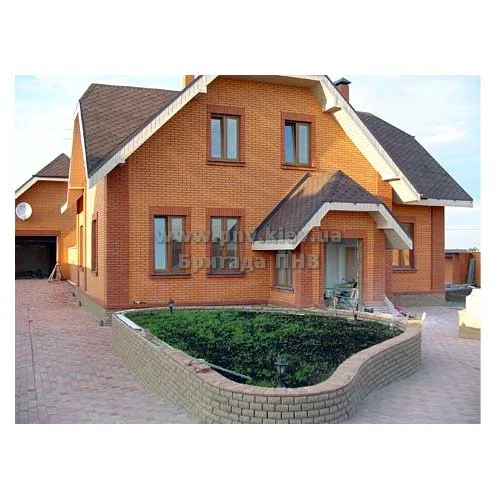
Clinker Brick is best assessed as part of brick and masonry construction, not as an isolated purchase or finishing choice. Visible quality is only the final layer of this topic. The lasting result depends on how the underlying design, materials, workmanship and future maintenance are coordinated.
The focus is a durable facade needs proper structural support. The whole arrangement must be checked rather than assuming that one material or experienced installer will compensate for unresolved interfaces. Clinker’s density and low water absorption do not remove the need for structural support, movement joints, cavity drainage and careful mortar selection.
PNV first addressed this issue as a construction crew. Since 2021, PNV Construction Group has coordinated crews, private contractors, specialist companies and individual experts.
Why the detail must be considered as a system
Brickwork is a system of units, mortar, support, ties, joints and moisture control. Strength or appearance alone does not guarantee durability: the masonry must suit the load, exposure, movement and finishing arrangement. The safest approach is to establish measurable checks before procurement, then inspect the work before the critical layers are concealed.
What to check before work begins
- Confirm the brick type, strength, frost resistance and intended use.
- Inspect dimensional consistency and sample several pallets.
- Provide a sound bearing detail for facing masonry.
- Coordinate ties, reinforcement, openings and movement joints.
- Protect horizontal surfaces and lower courses from water.
Each check should be supported by drawings, photographs, product data or measurable tolerances before the work is concealed.
Common failure patterns
Typical problems include long elevations built without movement accommodation; poor batch control causing colour and dimensional variation; and internal-grade brick used in exposed external locations. Once concealed, these defects usually require removal of adjacent finishes before the real cause can be reached.
Inspection, handover and maintenance
Masonry should be inspected for line, level, joint filling, support, ties, moisture details and protection before adjacent layers conceal the work. The aim is not complexity, but clear responsibility for details that determine safety and service life.
PNV connects this subject with brick house construction. Further project information is available through house construction services and PNV portfolio.