21.12.2007
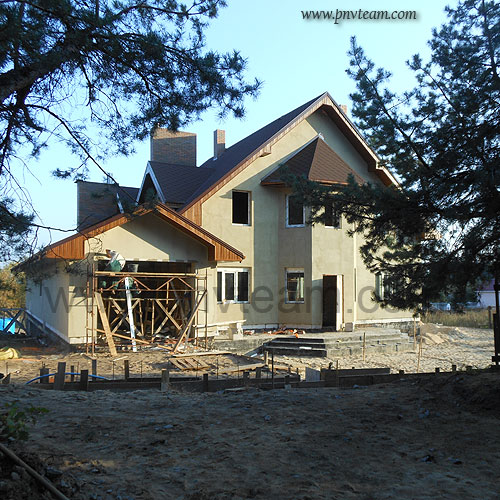
Construction in the PNV Portfolio is best assessed as part of design and project documentation, not as an isolated purchase or finishing choice. The right decision is not simply the product with the best advertised figure. It is the solution that fits the building, can be installed correctly and remains understandable to maintain.
The focus is why project photography matters. The whole arrangement must be checked rather than assuming that one material or experienced installer will compensate for unresolved interfaces.
This article reflects PNV’s earlier construction-crew experience. Today, PNV Construction Group coordinates crews, private contractors, specialist companies and individual professionals around one technical brief.
From a good idea to a reliable result
Good design converts requirements into dimensions, levels, materials, interfaces and a buildable sequence. Attractive images are useful, but they do not replace surveys, coordinated drawings, specifications and responsibility for decisions. The design should therefore describe not only what is installed, but also what supports it, protects it, allows it to move and keeps it accessible.
Practical acceptance criteria
- Define inspection points for hidden work.
- Issue revisions clearly so superseded information is not used.
- Verify measured surveys, site levels and existing conditions.
- Coordinate architectural, structural and engineering drawings.
- Resolve openings, heights, stairs and service zones.
Each check should be supported by drawings, photographs, product data or measurable tolerances before the work is concealed.
Risks hidden behind the finished surface
Typical problems include services routed through structural elements; materials specified without buildable junctions; and changes made on site without updating drawings. Once concealed, these defects usually require removal of adjacent finishes before the real cause can be reached.
Keeping the solution serviceable
Before construction, the team should be able to explain the design, sequence, interfaces and acceptance criteria without relying on verbal improvisation. A reliable result is one that can be inspected and maintained without guesswork.
Related information is available under design and project documentation and PNV portfolio; the contact page provides the next practical reference.