01.01.2011
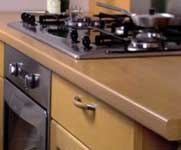
Custom Kitchens is best assessed as part of interior renovation and fit-out, not as an isolated purchase or finishing choice. The right decision is not simply the product with the best advertised figure. It is the solution that fits the building, can be installed correctly and remains understandable to maintain.
The focus is what builders must prepare before the furniture arrives. The whole arrangement must be checked rather than assuming that one material or experienced installer will compensate for unresolved interfaces. Kitchen layouts concentrate water, drainage, power, ventilation and heavy furniture in a small area, so service points must be coordinated with the final units and appliances.
From a good idea to a reliable result
Interior quality depends on more than visible finishes. Room proportions, substrate condition, concealed services, moisture, lighting, furniture and maintenance access must be settled before the final materials are installed. A robust specification links the visible component to the substrate, adjacent systems, environmental exposure and the sequence of work.
Practical acceptance criteria
- Provide access to valves, traps, filters and controls.
- Approve samples and batch variations before full installation.
- Confirm dimensions and furniture layouts before first-fix work.
- Coordinate sockets, switches, lighting and equipment positions.
- Test substrates for flatness, strength and moisture.
Each check should be supported by drawings, photographs, product data or measurable tolerances before the work is concealed.
Risks hidden behind the finished surface
Typical problems include doors, furniture and switches conflicting; visualisation details that cannot be built within the budget; and finishes ordered before dimensions and services are fixed. Intermediate inspection is therefore more valuable than relying on a purely visual final check.
Keeping the solution serviceable
Handover should cover alignment, joints, doors, lighting, controls, waterproofed areas, service access and a written snagging list. The aim is not complexity, but clear responsibility for details that determine safety and service life.
Related information is available under renovation services and PNV portfolio; the contact page provides the next practical reference.