11.08.2013
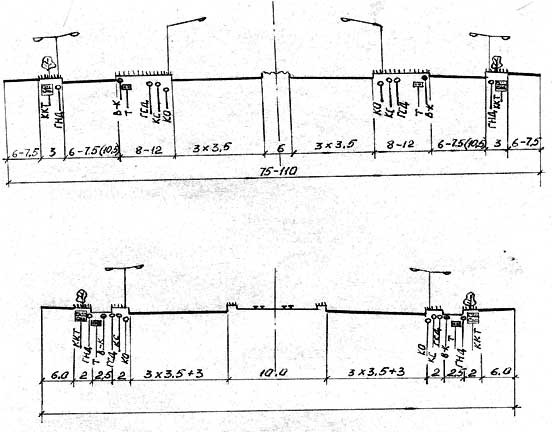
Site Access and Roads is best assessed as part of site works and external areas, not as an isolated purchase or finishing choice. Visible quality is only the final layer of this topic. The lasting result depends on how the underlying design, materials, workmanship and future maintenance are coordinated.
The focus is construction logistics starts with the ground. The whole arrangement must be checked rather than assuming that one material or experienced installer will compensate for unresolved interfaces. Finished levels should be set from the building outward so that access and appearance do not compromise drainage at doors, plinths and retaining structures.
This article reflects PNV’s earlier construction-crew experience. Today, PNV Construction Group coordinates crews, private contractors, specialist companies and individual professionals around one technical brief.
Why the detail must be considered as a system
External works succeed when levels, water, ground bearing capacity, traffic and future maintenance are planned together. A good-looking surface cannot compensate for a weak base or water flowing toward the building. In construction practice, the important question is how the chosen solution behaves after the first season, after finishes are closed and during routine service.
What to check before work begins
- Protect building plinths and entrances from splash water.
- Provide stable edges, kerbs and transitions.
- Preserve access for future maintenance.
- Inspect formation and sub-base before surfacing.
- Survey levels and define where surface water will go.
Each check should be supported by drawings, photographs, product data or measurable tolerances before the work is concealed.
Common failure patterns
Typical problems include vehicle loads applied to pedestrian build-ups; buried services without records or access; and paving laid on uncompacted fill. Once concealed, these defects usually require removal of adjacent finishes before the real cause can be reached.
Inspection, handover and maintenance
The hidden base, compaction and drainage should be accepted before the visible finish is installed. A reliable result is one that can be inspected and maintained without guesswork.
Related information is available under house construction services and design and project documentation; the PNV portfolio provides the next practical reference.