25.12.2003
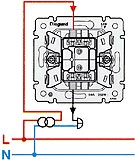
Push-Button Switches is best assessed as part of electrical control and switching, not as an isolated purchase or finishing choice. Most expensive defects do not begin in the visible finish. They start in the concealed layers, missing information or interfaces that were left for different trades to resolve on site.
The focus is when impulse control is the better choice. The whole arrangement must be checked rather than assuming that one material or experienced installer will compensate for unresolved interfaces.
How the system should work in practice
A switch or control point is only the visible end of an electrical circuit. Reliable operation depends on the cable arrangement, protection devices, conductor identification, load type and the way the user actually moves through the room. The safest approach is to establish measurable checks before procurement, then inspect the work before the critical layers are concealed.
Questions to resolve before procurement
- Leave enough depth and access for future replacement of mechanisms.
- Define the lighting or equipment groups before cables are installed.
- Confirm the number of control points and the required switch type.
- Coordinate switch positions with doors, furniture and circulation routes.
- Check compatibility with LED drivers, relays, motors and indicator lamps.
Each check should be supported by drawings, photographs, product data or measurable tolerances before the work is concealed.
Mistakes that lead to rework
Typical problems include unidentified conductors that make later fault-finding difficult; indicator lamps causing LED flicker or unwanted glow; and switches hidden behind doors, furniture or joinery. They often appear only after seasonal movement, moisture or routine use, when correction is significantly more disruptive.
Final checks and future maintenance
Before handover, every operating combination should be tested under the actual load, the distribution board should be labelled, and photographs of concealed cable routes should be retained. A reliable result is one that can be inspected and maintained without guesswork.
PNV connects this subject with renovation services. Further project information is available through design and project documentation and contact page.