20.04.2014
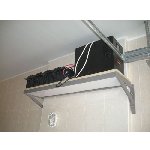
Electrical Systems and Home Autonomy is best assessed as part of power distribution and resilience, not as an isolated purchase or finishing choice. The right decision is not simply the product with the best advertised figure. It is the solution that fits the building, can be installed correctly and remains understandable to maintain.
The focus is plan backup capacity early. The whole arrangement must be checked rather than assuming that one material or experienced installer will compensate for unresolved interfaces. A plan should be tested against furniture, door swings, circulation widths, service shafts and real wall thicknesses rather than read as an abstract arrangement of rooms.
From a good idea to a reliable result
Power, backup supply and automation must be designed as one system. Equipment ratings alone do not show whether cable routes, protective devices, earthing, ventilation, changeover logic and future service access are adequate. A robust specification links the visible component to the substrate, adjacent systems, environmental exposure and the sequence of work.
Practical acceptance criteria
- Leave spare capacity in the board for future equipment.
- Document operating procedures for normal and emergency modes.
- Prepare a realistic load schedule rather than relying on total nameplate power.
- Separate essential and non-essential circuits in the distribution board.
- Coordinate grid supply, generator, inverter and battery changeover.
Each check should be supported by drawings, photographs, product data or measurable tolerances before the work is concealed.
Risks hidden behind the finished surface
Typical problems include unsafe back-feeding between supply sources; batteries installed in hot or poorly ventilated spaces; and no access for isolation, testing or replacement. Intermediate inspection is therefore more valuable than relying on a purely visual final check.
Keeping the solution serviceable
Commissioning should include load tests, protective-device checks, changeover tests and a simple operating instruction that remains with the owner. Workmanship is most dependable when the design and acceptance criteria are already clear.
PNV connects this subject with design and project documentation. Further project information is available through house construction services and contact page.