21.09.2014
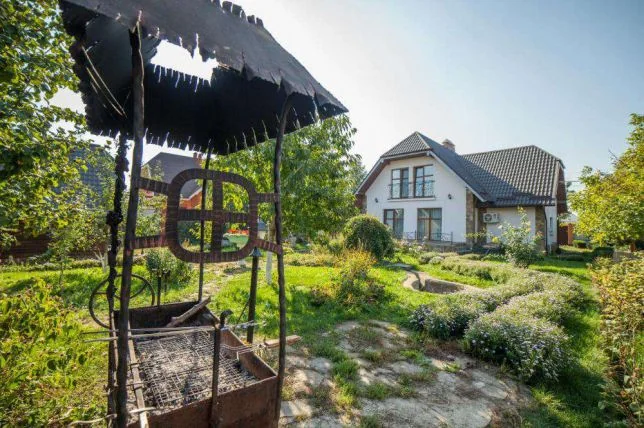
A Water Well on the Plot is best assessed as part of site works and external areas, not as an isolated purchase or finishing choice. Most expensive defects do not begin in the visible finish. They start in the concealed layers, missing information or interfaces that were left for different trades to resolve on site.
The focus is achieving a reliable domestic supply. The whole arrangement must be checked rather than assuming that one material or experienced installer will compensate for unresolved interfaces. Yield and water chemistry should be verified rather than assumed, because pump selection, storage and treatment depend on the measured source.
How the system should work in practice
External works succeed when levels, water, ground bearing capacity, traffic and future maintenance are planned together. A good-looking surface cannot compensate for a weak base or water flowing toward the building. The safest approach is to establish measurable checks before procurement, then inspect the work before the critical layers are concealed.
Questions to resolve before procurement
- Inspect formation and sub-base before surfacing.
- Survey levels and define where surface water will go.
- Separate pedestrian, vehicle and service loads.
- Design sub-base thickness and compaction for the use.
- Coordinate drainage, irrigation and underground services.
Each check should be supported by drawings, photographs, product data or measurable tolerances before the work is concealed.
Mistakes that lead to rework
Typical problems include paving laid on uncompacted fill; falls directing water toward the house; and irrigation or drainage installed after finished surfaces. Intermediate inspection is therefore more valuable than relying on a purely visual final check.
Final checks and future maintenance
The hidden base, compaction and drainage should be accepted before the visible finish is installed. A reliable result is one that can be inspected and maintained without guesswork.
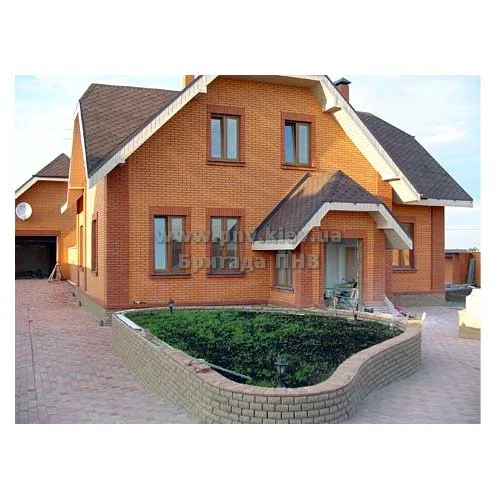
Related information is available under house construction services and design and project documentation; the PNV portfolio provides the next practical reference.