06.08.2018
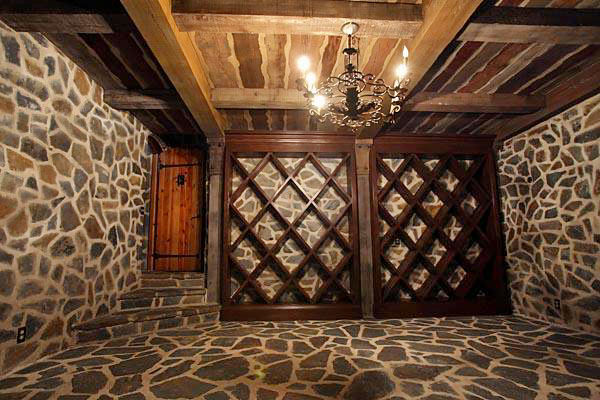
Cellars in or Beside the House is best assessed as part of house construction, not as an isolated purchase or finishing choice. A solution may look straightforward in a catalogue or visualisation, yet site conditions usually make it more complex. Loads, moisture, geometry, access and sequence all affect performance.
The focus is dryness matters more than volume. The whole arrangement must be checked rather than assuming that one material or experienced installer will compensate for unresolved interfaces.
The technical logic behind the decision
A house is a coordinated structure, envelope and set of building services. The choice of wall material or architectural style matters, but foundations, moisture control, interfaces, sequencing and future operation determine the real result. The design should therefore describe not only what is installed, but also what supports it, protects it, allows it to move and keeps it accessible.
Key checks for design and installation
- Confirm the structural scheme and load paths.
- Coordinate wall, floor, roof and opening details.
- Plan moisture protection and drainage from the start.
- Integrate heating, ventilation, water and electrical routes.
- Compare technologies as completed systems, not unit prices.
Each check should be supported by drawings, photographs, product data or measurable tolerances before the work is concealed.
Where projects usually go wrong
Typical problems include engineering routes added after structural work; water management postponed until landscaping; and critical details improvised by separate trades. Because several systems meet at the same detail, one omission can affect durability, comfort and maintenance at the same time.
What a complete handover should include
Progress should be accepted stage by stage: groundworks, structure, enclosure, first-fix services, insulation, finishes and commissioning. The aim is not complexity, but clear responsibility for details that determine safety and service life.
The programme should allow the structure and wet trades to dry before sensitive finishes are installed. Compressing this period can transfer moisture into insulation, joinery and coatings, creating defects after occupation.
For a broader project context, review house construction services, then compare relevant examples or services through design and project documentation and PNV portfolio.